
Are Millets Always Healthy?
An Ayurvedic Inquiry Beyond the Trend
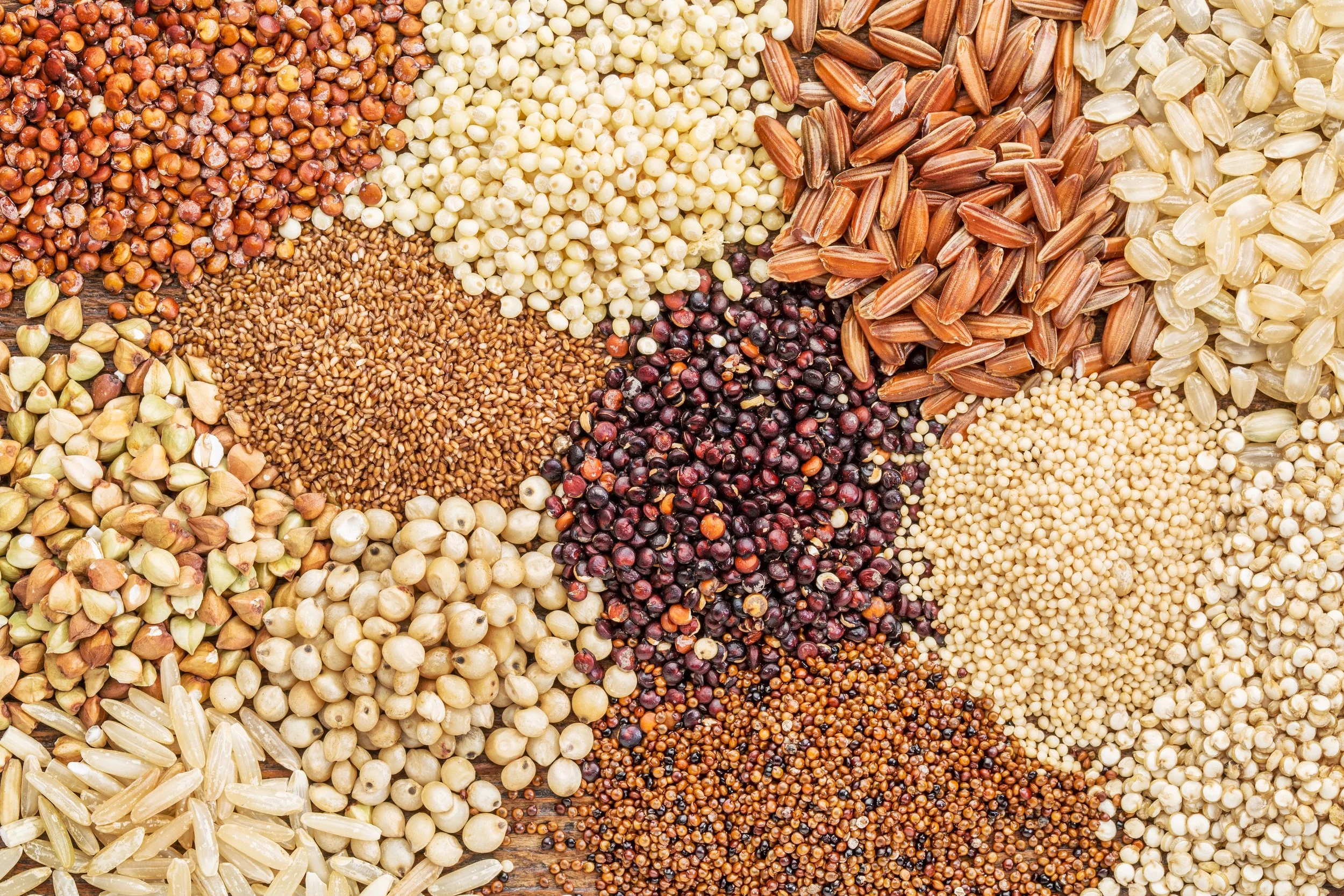
Millets have returned to modern diets with remarkable enthusiasm. They are praised as ancient, climate resilient grains that are gluten free, fiber rich, and often promoted as superior substitutes for wheat and rice. In wellness conversations, they are frequently positioned as a universal upgrade, a healthier alternative for everyone.
Ayurveda invites us to pause before accepting this conclusion.
Rather than labeling foods as inherently good or bad, Ayurveda examines how food behaves in the body. It considers qualities, effects after digestion, method of preparation, season, and the individual consuming it. From this perspective, the current enthusiasm around millets risks oversimplifying a group of grains that classical texts describe with considerable nuance.
Classical Ayurvedic Description of Millets
In the Ayurvedic text Bhāvaprakāśa, millets are discussed under the category of kṣudra dhānya, or minor grains. The relevant verses describe their inherent qualities and physiological actions with precision.
Consider this classical śloka from Bhāvaprakāśa:
kṣudradhānyaṃ kudhānyaṃ ca triṇadhānyamiti smṛtam ।
kṣudradhānyaṃ nuṣaṇaṃ syāt kaṣāyaṃ laghu lekhanam ॥
madhuraṃ kaṭukaṃ pāke rūkṣaṃ ca kledaśoṣakam ।
vātakṛt baddhaviṭakaṃ ca pittaraktakaphāpaham ॥
(Bhāvaprakāśa, Dhānyavarga 74–75)
These verses describe millets as light, drying, and astringent in taste, with a scraping action in the body. After digestion, they are said to produce a mixed sweet and pungent effect. They absorb moisture, reduce excess fluidity, and help dry pathological dampness.
The text further notes that millets pacify Kapha, Pitta, and disorders related to excess blood, while at the same time aggravating Vāta. They are also described as binding to the stool, which explains their tendency to cause constipation when used improperly.
This classical description offers a crucial insight. Millets are not primarily nourishing grains. They are reducing, absorbing, and depleting in nature. Their strength lies in addressing excess, not in building tissue or restoring depleted vitality.
Therapeutic Role Versus Everyday Staple
In Ayurveda, foods with drying and scraping qualities are used intentionally. Millets have traditionally been employed in conditions marked by Kapha aggravation, such as obesity, sluggish digestion, metabolic disorders, edema, and excessive mucus.
When used for a specific purpose, over a defined period, and with appropriate preparation, millets can be highly beneficial. Problems arise when grains meant for therapeutic reduction are adopted as daily staples without consideration of constitution or duration.
Excessive or long term consumption of millets may gradually deplete bodily fluids and stability. This depletion often appears subtly, through symptoms such as dryness, bloating, irregular digestion, fatigue, restlessness, joint discomfort, or disturbed sleep. These are classical signs of Vāta aggravation.
Ayurveda repeatedly emphasizes that the same substance can heal or harm depending on context.
The Importance of Preparation
Traditional dietary wisdom places great emphasis on how food is prepared. Millets were rarely consumed in isolation or with minimal processing.
Soaking them overnight, cooking them thoroughly, and combining them with adequate fats such as ghee helps counteract their inherent dryness. Warming spices further support digestion and assimilation.
When these balancing measures are neglected, the drying and absorbent qualities of millets become more pronounced. This is particularly challenging for individuals with Vāta dominant constitutions or those already experiencing dryness, weakness, or irregular digestion.
Individual Response Matters
Ayurveda does not offer uniform dietary advice. A Kapha dominant individual may feel lighter, clearer, and more comfortable when millets are used judiciously. For such individuals, these grains can be supportive for a limited time.
For Vāta dominant individuals, however, regular millet consumption may quickly lead to imbalance if not carefully moderated. Even Pitta dominant individuals, though they may tolerate certain millets better, can experience dryness when these grains are overused.
This individualized lens is central to Ayurvedic nutrition.
Redefining What Healthy Means
Modern nutrition often evaluates food through measurable outcomes such as calories, weight, or blood sugar levels. Ayurveda also observes quieter indicators of health. Digestive comfort, steadiness of energy, quality of sleep, emotional balance, and clarity of mind are considered equally important.
From this perspective, reducing numbers on a chart while diminishing overall resilience is not considered true nourishment. Foods that continuously dry and deplete the system may appear beneficial externally while quietly eroding internal stability.
Returning to Discernment
Millets are neither miracle foods nor dietary mistakes. They are potent grains with specific actions described clearly in classical Ayurvedic texts.
Rather than asking whether millets are healthy, Ayurveda encourages a more refined question. Does this food support balance in this body, at this time, and in this state of digestion?
When food choices are guided by attentiveness rather than trends, nourishment becomes more precise and sustainable. In this way, Ayurveda offers not rigid rules, but a framework for intelligent self observation rooted in classical wisdom and lived experience.
